
 CN
CN EN
EN ES
ES RU
RU FR
FR AR
AR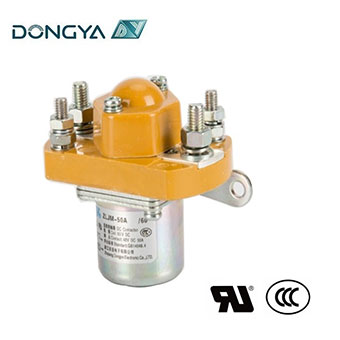
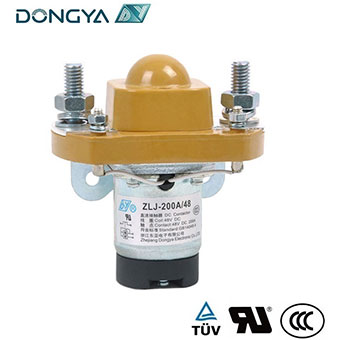
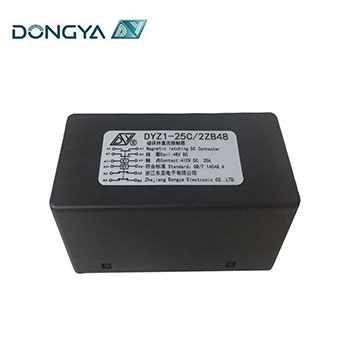
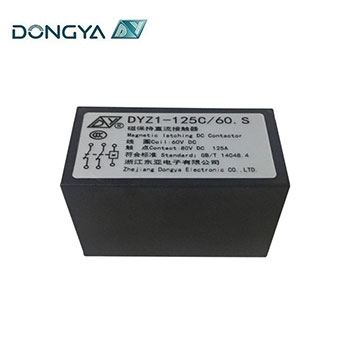
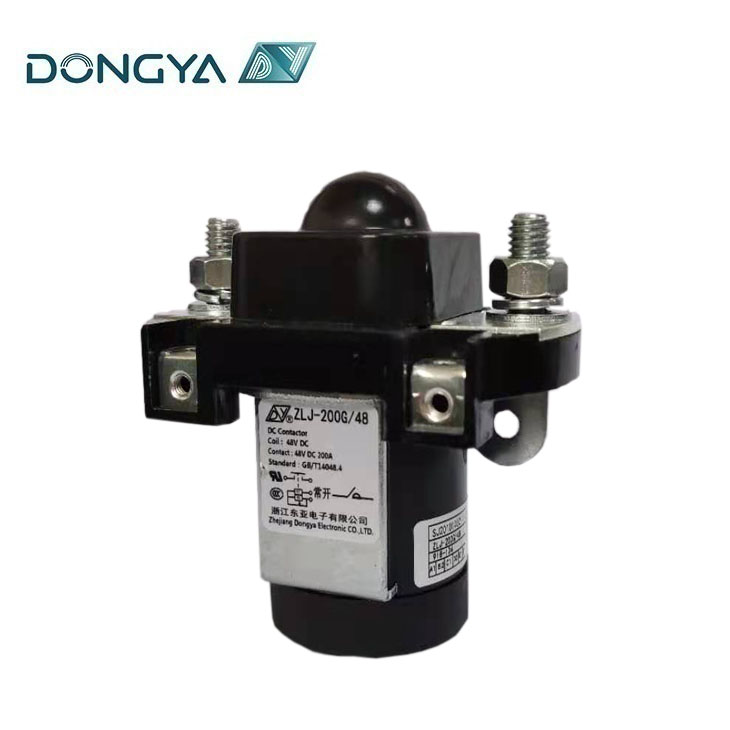
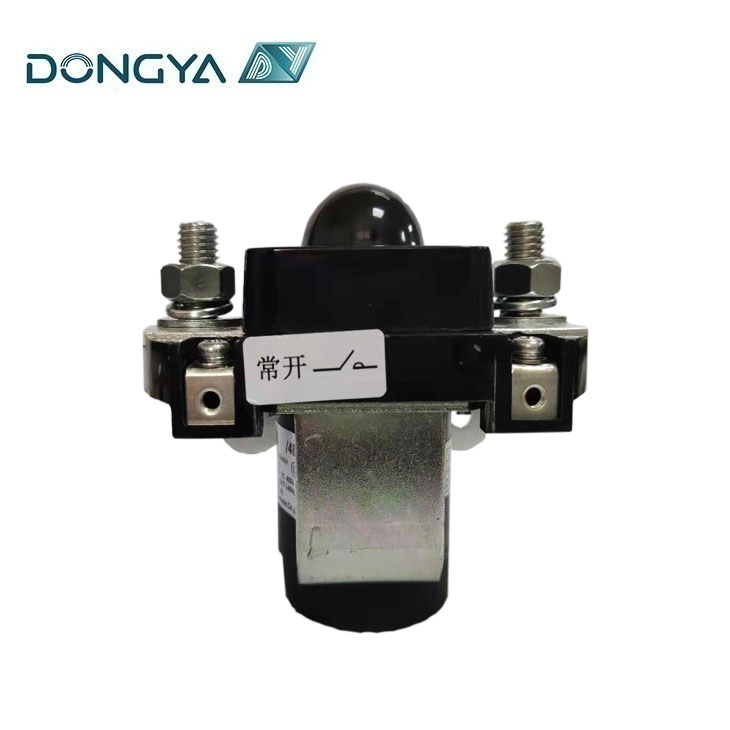
Contact Us for All Your Needs
Our professional team will be online to provide you with the most suitable products for you.


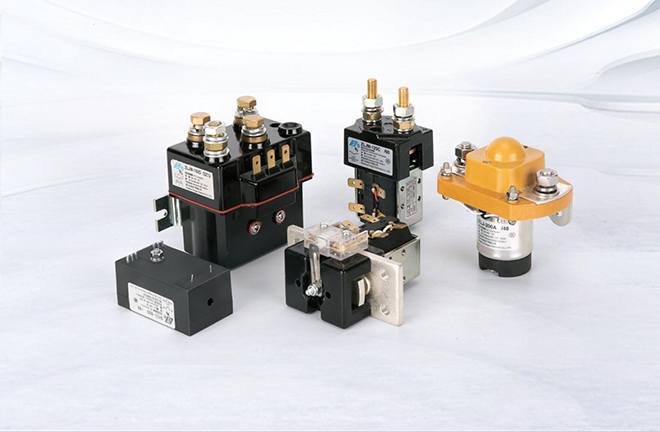
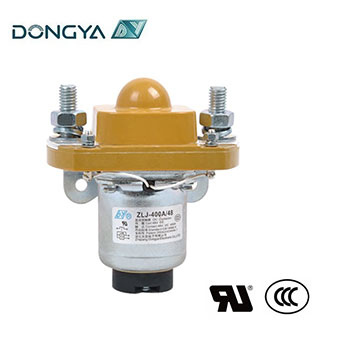
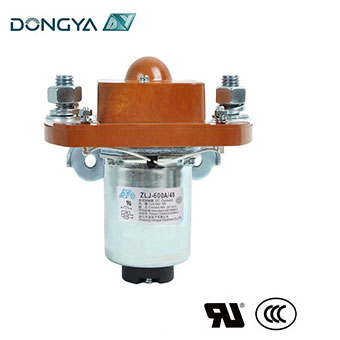
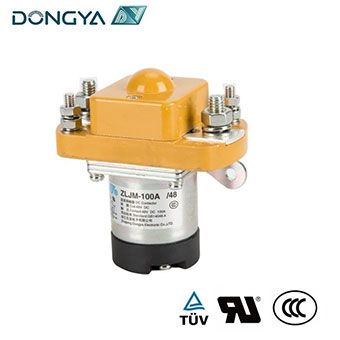
Efficient power transmission - DC contactors can transmit electrical power with less loss compared to AC contactors.
Precise control - DC contactors offer better control over the motor's speed and torque, making them ideal for applications that require precise movements or positioning.
Longevity - With fewer moving parts than mechanical switches, DC contactors tend to have a longer lifespan.
Low maintenance - Because they have no contacts that wear out, DC contactors are less likely to require maintenance or replacement.
Quiet operation - DC contactors produce less noise during operation compared to AC contactors.
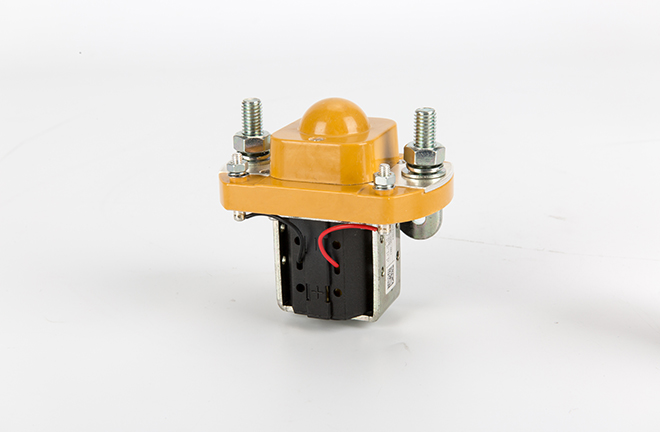
The cost and availability of the contactor should also be considered, as well as any special features that may be required, such as built-in overload protection or low-noise operation. When selecting a DC contactor, the following factors should be considered.
Rated current: The rated current of the contactor should be suitable for the maximum current flowing through the electrical system.
Rated voltage: The rated voltage of the contactor should match the voltage level of the application.
Coil Voltage: The coil voltage should match the voltage levels available in the electrical system.
Duty Cycle: The duty cycle of the contactor should be appropriate for your application.
Environmental conditions: The contactor should be able to operate under the environmental conditions in which it is used.
Certification: Contactors should be certified to safety and environmental standards such as UL, CE or RoHS.

A: Our DC contactors cover a wide voltage range from 12V to 1500V DC. The 1500V series is specifically designed for PV energy storage and high-voltage boxes, complying with IEC 60947-4-1.
A: With an IP67 protection rating, it is fully dust-tight and waterproof, making it ideal for outdoor charging piles and offshore wind power energy storage applications.
Answer:
DC contactors primarily use two key mechanisms to extinguish arcs effectively:
1. Magnetic Blow-out Arc Extinguishing:
The contactor stretches the electric arc as much as possible within the limited space of the arc chamber. This makes it difficult for the DC arc to sustain itself, leading to its eventual break.
2. Protective Gas:
When an arc is generated, the protective gas inside the chamber is difficult to ionize. This property effectively enhances the dielectric strength of the space, helping to quench the arc.
A: When using the specified copper busbar, our product's temperature rise is kept within ≤65K. Upon request, we can provide corresponding test reports, including those under normal and high ambient temperatures. If specific current levels or copper busbars are required, we can conduct preliminary tests.
A: Our product has undergone electrical life tests for make and break operations at the rated current and voltage. The number of operations is documented in our reports, which we can organize and provide. Additionally, we have relevant certification reports. Furthermore, we can conduct preliminary tests based on customer requirements.
GET A QUOTE