
 CN
CN EN
EN ES
ES RU
RU FR
FR AR
AR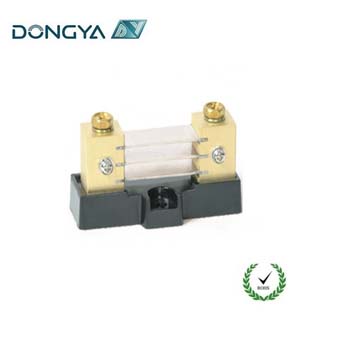
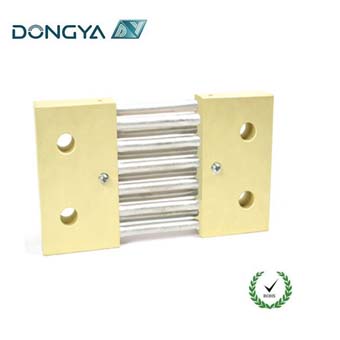
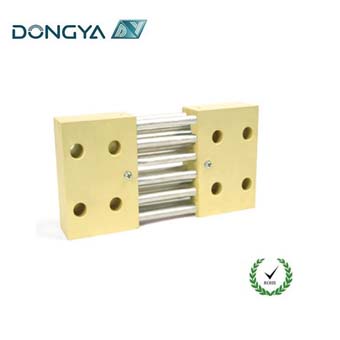
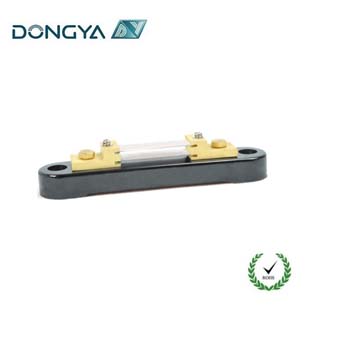
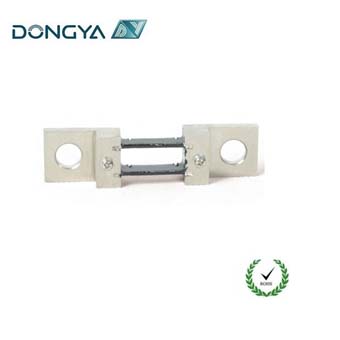
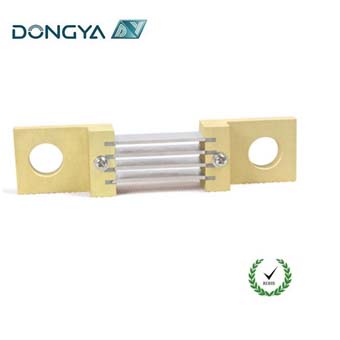
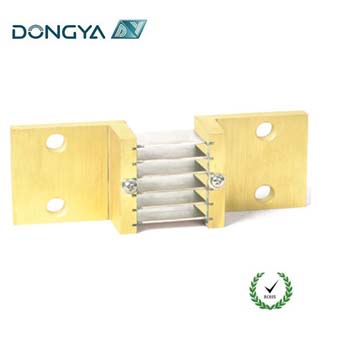
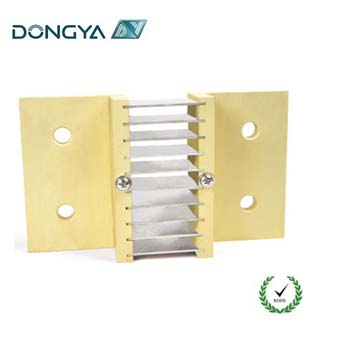
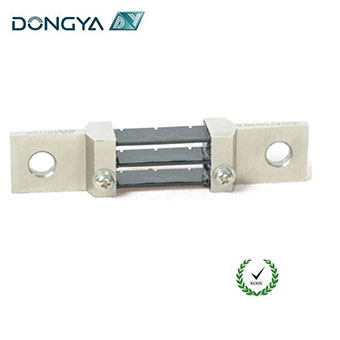
Contact Us for All Your Needs
Our professional team will be online to provide you with the most suitable products for you.


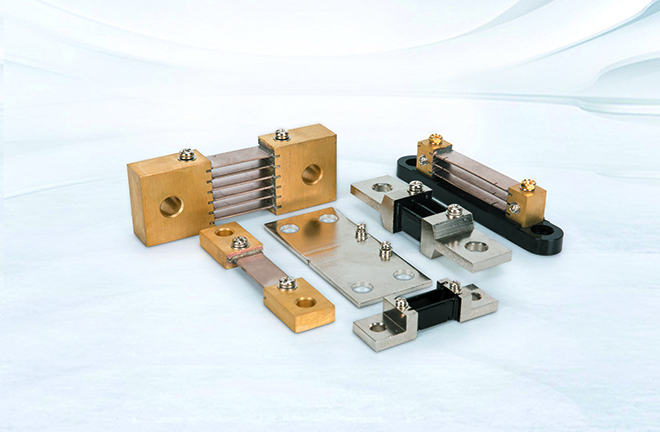
Flexibility - Interchangeable shunts are designed to allow for flexibility in current range measurements. With interchangeable shunts, users can easily switch out the shunts to measure different current ranges, eliminating the need for multiple devices.
Accuracy - Interchangeable shunts typically provide high accuracy current measurement across a wide range of currents. This is particularly useful for applications where there are wide variations in current flow.
Ease of Use - Interchangeable shunts are easy to install and use, requiring minimal technical expertise to operate. This makes them ideal for use in a variety of settings, including industrial, laboratory, and scientific environments.
Cost Effective - Interchangeable shunts are a cost - effective solution for current measurement applications. As they can be easily swapped out, there is no need to purchase additional devices when measuring different current ranges.
Wide Range of Options - Interchangeable shunts are available in a wide range of values, making it easy to find a shunt that suits the specific needs of a particular application.
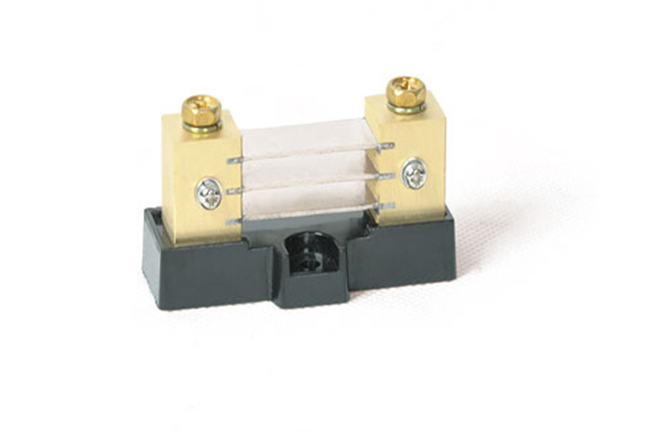
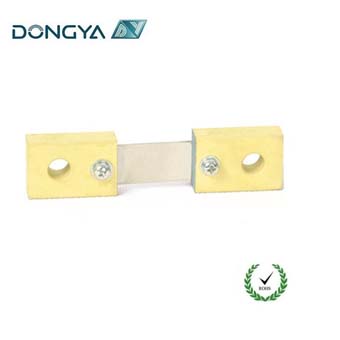
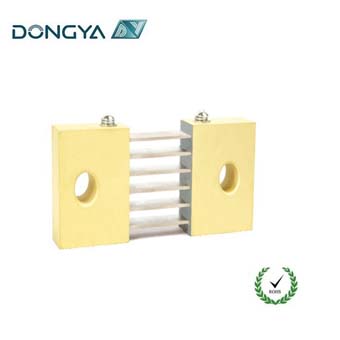
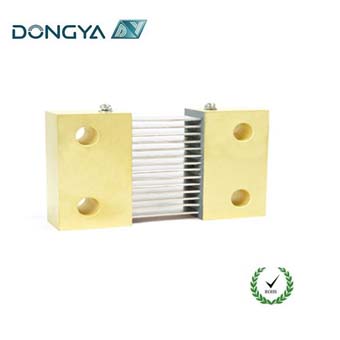
Dongya Interchangeable shunts are often used in electrical circuits to measure current. When selecting an interchangeable shunt, the following factors should be considered.
Shunt Accuracy: Make sure that the current reading taken from the shunt is as close as possible to the actual current in the circuit.
Shunt Resistor: The lower the resistance value, the better the sensitivity, but it also results in a larger voltage drop across the shunt.
Shunt Operating Current: Make sure the shunt is capable of measuring the maximum current of the circuit.
Temperature Coefficient: Consider any temperature changes in the application and select the shunt that best fits the expected temperature range.
Current Waveform: Consider the type of current waveform in your circuit, whether it is AC, DC, or pulsed.
Shunt Material: The shunt material must have a low temperature coefficient of resistance and low thermal resistance.

- Low temperature coefficient of resistance (TCR)
- High long-term stability
- Extremely low thermal internal resistance
- Low thermal electromotive force (for copper)
- Low resistance value reduces power consumption
- High mechanical strength
1. New energy storage / PCS, battery BMS
Leveraging low TCR and high stability to accurately capture charge/discharge current over the long term, precisely calculate battery state of charge (SOC), avoid power metering deviations, and suit 24/7 continuous operation.
2. DC charging piles, onboard electric control
High-current copper busbar structure withstands instantaneous inrush currents; low thermal internal resistance controls temperature rise, meeting high-power fast charging and long-term full-load operation.
3. Smart electricity meters, precision programmable power supplies
Ultra-low thermal EMF is a core requirement; small current sampling is immune to temperature difference interference, ensuring accurate meter billing and calibration of source/load equipment.
4. Industrial inverters
Excellent linearity adapts to DC and low-frequency AC sampling; stably monitors input/output current to ensure precise triggering of overload and short-circuit protection.
5. High-frequency inverter equipment
Customized low-inductance (non-inductive) shunt structure reduces additional voltage drop errors caused by stray inductance at high frequencies, suitable for high-frequency switching power supplies and photovoltaic inverter sampling.
1. Measurement accuracy advantages:
- No zero-point drift
-Ultra-low temperature drift
-Low thermal EMF
2. Cost advantages:
-Lower procurement cost
-Simpler peripheral circuitry
3. Operational advantages:
-Strong electromagnetic interference (EMI) immunity;
-Excellent linearity across full current range, uniform error from small to full-scale current;
-Withstands surge currents; high mechanical strength makes the shunt resistant to damage from short-term surges and inrush currents;
4. Usage and lifespan advantages:
The shunt is a passive component with no aging or degradation.
GET A QUOTE