
 CN
CN EN
EN ES
ES RU
RU FR
FR AR
AR
Contact Us for All Your Needs
Our professional team will be online to provide you with the most suitable products for you.


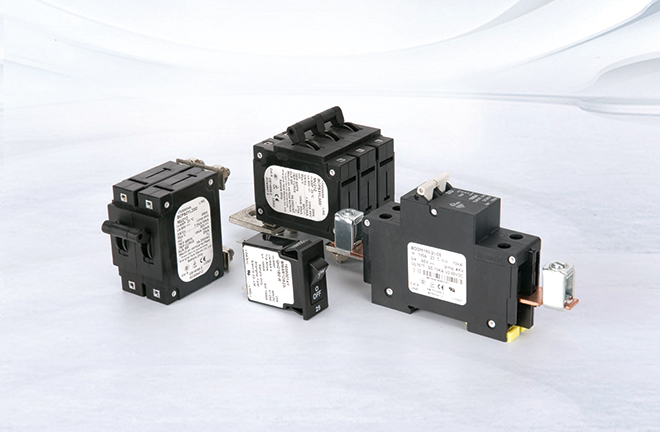
Quick Response - Circuit breakers are designed to respond very quickly to changes in the electrical current. When a fault or overload occurs, the circuit breaker will trip and turn off the power to the affected area within milliseconds. This quick response helps prevent damage to electrical equipment and appliances.
Greater Safety - Circuit breakers are more effective in protecting against electrical hazards than traditional fuses. They are designed to trip when an overload or fault occurs, effectively cutting the power supply to the circuit and reducing the risk of fire or injury.
Versatility - Circuit breakers can be used in a variety of electrical systems, including industrial, commercial, and residential settings. They can handle a range of electrical currents and are available in various sizes and types.
Long Service Life - Circuit breakers have a longer service life than fuses and don't deteriorate with age. This reduces maintenance costs and improves reliability.
Monitoring Capabilities - Some circuit breakers have built - in monitoring capabilities that can detect faults before they occur. This helps prevent equipment damage, downtime, and reduces the risk of fire.
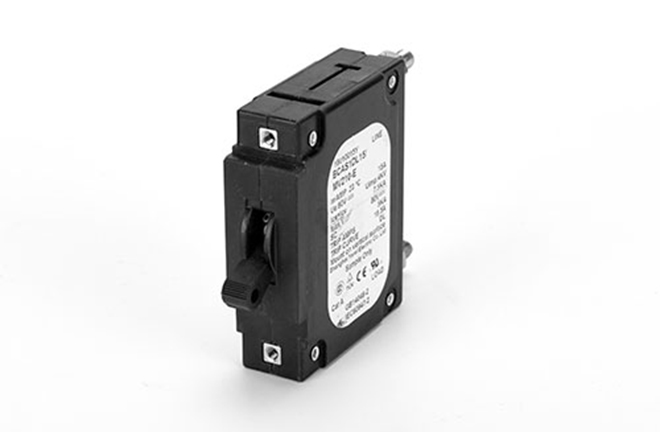
The following factors need to be considered when selecting the appropriate circuit breaker.
Voltage: Determines the voltage of a circuit.
Current: Determine the amperage or current rating of the circuit to be protected. The rated current of the circuit breaker should be equal to or greater than the rated current of the circuit.
Trip characteristics: The trip characteristics of the circuit breaker should match the load characteristics.
Short-Circuit Current Rating (SCCR): The SCCR of the circuit breaker should be equal to or greater than the fault current available to the circuit.
Environmental Conditions: Consider the environmental conditions in which the circuit breaker will operate, including temperature, humidity, and altitude.
Circuit type: Determine the type of circuit to be protected, whether it is a DC circuit or an AC circuit.

A: The main difference is the overload protection method. Hydraulic-magnetic breakers use electromagnetic force and hydraulic damping, while thermal-magnetic breakers rely on a bimetallic strip and electromagnetic tripping. Hydraulic-magnetic breakers offer better temperature stability, higher overload accuracy, and immediate reset after a fault. Thermal-magnetic breakers are generally more economical and widely used in standard power distribution systems.
A: When selecting a Hydraulic-Magnetic Circuit Breaker, consider the rated voltage, rated current, short-circuit breaking capacity, and trip characteristics. The breaker’s voltage rating should exceed the system voltage, and its rated current should match the load requirements. It is also important to verify installation conditions, operating temperature, and certification requirements for the intended application.
A: Hydraulic-magnetic breakers provide excellent temperature stability, precise overload protection, fast short-circuit response, and immediate reset capability. They are not affected by ambient temperature changes and do not require derating within their specified operating range. These features make them suitable for critical electrical systems where reliability is essential.
A: Hydraulic-Magnetic Circuit Breakers are widely used in rail transit systems, renewable energy equipment, data centers, UPS systems, industrial automation, marine applications, aerospace equipment, and mobile power systems. Their stable performance under vibration, temperature fluctuations, and demanding operating conditions makes them a preferred choice for high-reliability applications.
GET A QUOTE